
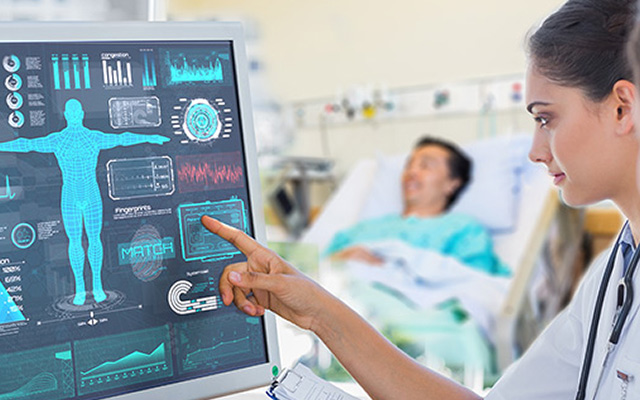
Patient safety depends on accurate decisions, timely interventions, and seamless coordination across every stage of care. Smart hospital technology is transforming healthcare by connecting people, devices, and data to reduce errors, improve response times, and support better clinical outcomes.
Understanding how technology improves patient safety helps hospitals adopt systems that enhance monitoring, streamline workflows, and strengthen communication. This blog explores the technologies driving safer hospitals and the practical benefits they deliver for patients and healthcare providers.
What Does “Smart Hospital Technology” Actually Mean?
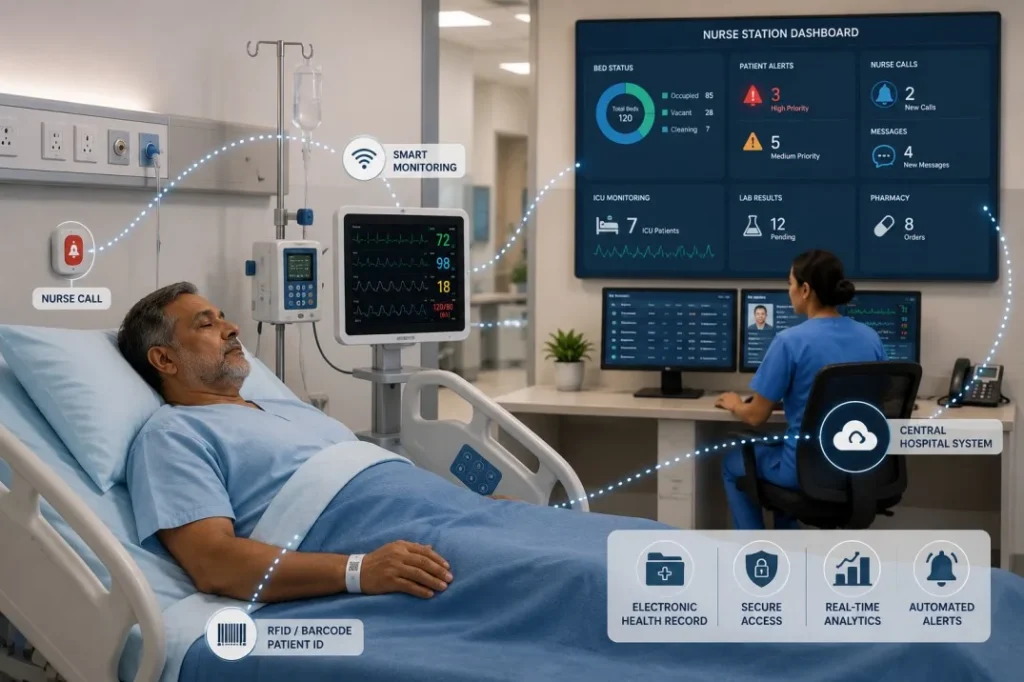
Smart hospital technology integrates AI, IoT devices, and digital networks to connect a hospital’s clinical and administrative systems. Instead of operating in silos, connected devices and software exchange real-time data to improve care delivery, automate routine processes, and optimise hospital operations.
When implemented through turnkey hospital construction services, these technologies are integrated into the hospital infrastructure from the planning stage.
Core Capabilities of Digital Health Technology in Hospitals
- Real-time data sharing across departments
- AI-assisted diagnosis and clinical decision support
- Automated administrative and routine workflows
- Smart bed and resource management
- Continuous patient monitoring through connected devices
- Faster communication between healthcare teams
- Improved operational efficiency and patient outcomes
Why Has Patient Safety Become a Bigger Priority in Hospitals Today?
Patient safety is now a top priority because preventable medical errors, including medication mistakes, surgical complications, and hospital-acquired infections, cause millions of adverse events every year.
Key Drivers of Patient Safety
- Rising medical errors: Preventing medication mistakes, communication gaps, patient falls, and hospital-acquired infections remains a major priority.
- Complex healthcare: Multiple specialists, digital systems, and advanced technologies require seamless coordination.
- Ageing population: Older patients often have multiple health conditions and medications, increasing safety risks.
- Regulatory standards: Hospitals must meet strict quality and safety guidelines through continuous monitoring and improvement.
How Are IoT Devices Improving Patient Monitoring?
Connected monitoring systems enable continuous patient observation by collecting real-time health data and alerting clinicians to early signs of deterioration. When supported by robust MEP and infrastructure planning for hospitals, these technologies help clinicians recognise warning signs early and respond before medical conditions become emergencies.
What Is Remote Patient Monitoring?
Remote patient monitoring technology uses connected medical devices to collect and transmit patient health information without requiring constant bedside observation.
These Systems Continuously Monitor:
- Heart rate
- Blood pressure
- Oxygen saturation
- Respiratory rate
- Body temperature
Remote Monitoring is Especially Valuable For:
- Post-surgical recovery
- Intensive care monitoring
- Chronic disease management
- High-risk patients requiring continuous observation
How Do Wearables and Sensors Reduce Emergencies?
Wearables and smart sensors provide continuous visibility into a patient’s condition, helping clinicians detect subtle changes before symptoms become severe.
Examples of hospital IoT devices include:
- Wireless cardiac monitors
- Fall detection sensors
- Smart patient movement trackers
- Connected oxygen monitoring devices
- Continuous glucose monitoring systems
How Is AI Helping Prevent Medical Errors?
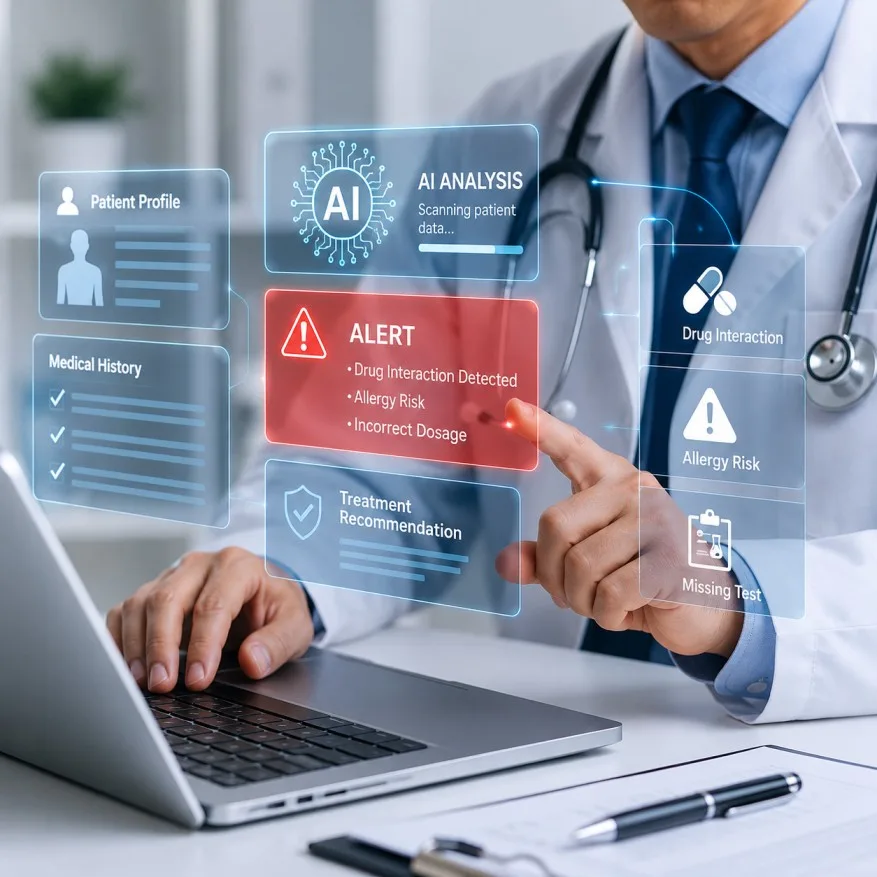
Artificial intelligence supports safer healthcare by analysing clinical data, recognising hidden patterns, and providing decision support to healthcare professionals. Rather than replacing clinicians, AI improves accuracy, speeds up workflows, and helps reduce preventable medical errors.
The growing use of AI in patient safety currently supports:
- Clinical decision support
- Medical image analysis
- Risk prediction
- Patient monitoring
- Workflow optimisation
- Early warning systems
Can AI Predict Patient Deterioration Before It Happens?
Yes. AI systems continuously analyse multiple clinical data points to identify patients who may deteriorate before obvious symptoms appear.
The analysis may include:
- Vital signs
- Laboratory results
- Medical history
- Medication records
- Previous admissions
When unusual patterns are detected, clinicians receive early alerts that support quicker intervention and improved patient outcomes.
How Does AI Support Faster, More Accurate Diagnoses?
Artificial intelligence helps clinicians evaluate medical information more efficiently while reducing the likelihood of overlooked findings.
AI Can Assist By:
- Analysing medical images
- Prioritising urgent diagnostic cases
- Identifying abnormal clinical patterns
- Supporting radiology and pathology workflows
- Reducing diagnostic delays
While AI provides an additional layer of evidence that supports more informed decision-making, final clinical decisions always remain with qualified healthcare professionals,
How Do Smart Communication Systems Improve Hospital Response Times?
Smart communication systems improve hospital response times by instantly connecting patients and healthcare teams through nurse call systems, real-time alerts, and coordinated communication. This allows caregivers to respond faster, prioritise urgent cases, and minimise delays during routine care and emergencies.
Hospitals upgrading these capabilities often work with specialised nurse call and access control system suppliers to ensure seamless integration with existing infrastructure.
Key Features Include:
- Intelligent nurse call systems
- Mobile clinical alerts
- Central monitoring dashboards
- Real-time care team coordination
- Automated emergency notifications
These technologies improve response efficiency, strengthen collaboration, and support safer patient care.
How Does Automated Medication Management Reduce Dosage Errors?
Automated medication management reduces dosage errors by replacing manual medication checks with digital verification at every stage of the medication process. This improves prescribing accuracy, prevents administration mistakes, and helps ensure patients receive the correct treatment safely and consistently.
Successful implementation also depends on medical equipment sourcing and integration, ensuring medication management technologies are procured, deployed, and connected to clinical workflows safely and effectively.
Key Technologies That Reduce Medication Errors
- Computerised Physician Order Entry (CPOE): Eliminates handwritten prescriptions and standardises medication orders.
- Clinical Decision Support Systems (CDSS): Detects incorrect doses, allergies, duplicate therapies, and harmful drug interactions before approval.
- Automated dispensing cabinets: Release only the prescribed medication after verifying patient and prescription details.
- Smart infusion pumps: Deliver IV medications at safe, pre-programmed rates using built-in dose error reduction software.
- Barcode Medication Administration (BCMA): Confirms the right patient, medication, dose, route, and timing by scanning both the patient’s wristband and the medication barcode before administration.
Why Is Cybersecurity a Critical Part of Patient Safety?
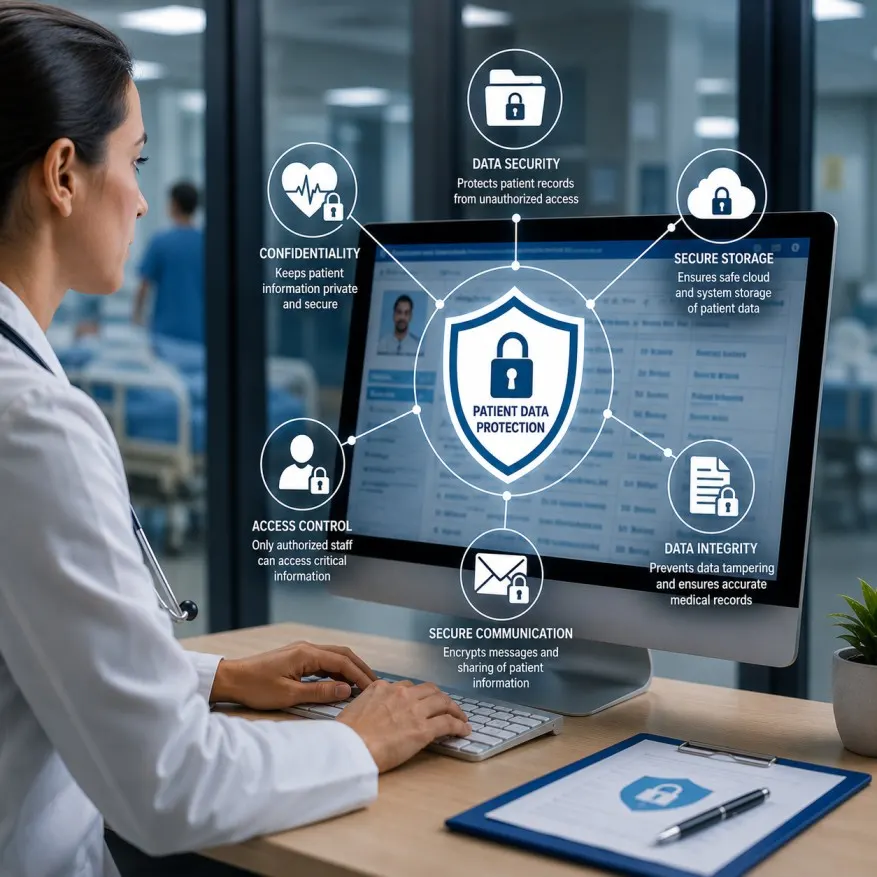
Cybersecurity is essential for patient safety because cyberattacks can disrupt clinical care, delay treatment, and compromise critical hospital systems. Protecting healthcare networks ensures uninterrupted access to patient information, supports safe medical decisions, and reduces the risk of preventable harm during emergencies.
How Cybersecurity Protects Patient Care
- Secures Electronic Health Records (EHRs): Prevents unauthorised access, data breaches, and loss of critical patient information.
- Protects connected medical devices: Safeguards infusion pumps, monitors, imaging systems, and other networked equipment from cyber threats.
- Prevents treatment disruptions: Reduces the risk of ransomware attacks that can delay surgeries, diagnostics, and emergency care.
- Supports safe clinical decisions: Ensures healthcare professionals can access accurate, untampered patient records when making treatment decisions.
What Are Real-World Examples of Smart Hospitals in Action?
Here are smart hospitals examples demonstrating how hospital design-to-delivery solutions integrate connected technologies to improve workflow efficiency, strengthen patient safety, and create more responsive healthcare environments for patients and healthcare professionals.
- Bryan Health (USA): AI-powered virtual nursing and computer vision monitor patients continuously, helping detect falls early and reducing the need for one-to-one bedside monitoring.
- Charité (Germany): Telehealth and wearable device integration enable remote consultations and postoperative monitoring, reducing unnecessary hospital visits while maintaining continuity of care.
- Sheba Medical Center (Israel): An AI-driven command centre predicts patient flow and bed availability, helping reduce delays, improve resource allocation, and optimise hospital operations.
What Challenges Do Hospitals Face When Adopting Smart Technology?
While the benefits of smart hospitals are substantial, adoption remains challenging.
Hospitals face high implementation costs, legacy system incompatibility, cybersecurity threats, and workflow integration issues. Success depends on overcoming these barriers without disrupting clinical care or placing additional strain on healthcare professionals.
Key Challenges
- High implementation costs: AI platforms, IoMT devices, automation systems, and supporting infrastructure require major capital investment.
- Staff training and workflow integration: Clinicians need continuous training, and poorly implemented systems can contribute to burnout.
- Interoperability: Legacy systems and fragmented data standards often prevent seamless communication between digital platforms.
- Cybersecurity and alert fatigue: Hospitals must protect connected systems from cyberattacks while preventing excessive alerts from overwhelming clinical staff
What Does the Future Hold for Smart Hospital Technology?
The future of smart hospital technology will be driven by predictive AI, intelligent automation, robotics, and personalised care. These technologies will help hospitals anticipate patient needs, improve clinical efficiency, and deliver safer, more precise treatment while supporting better healthcare outcomes.
- Predictive analytics: Identifies patient risks early to support timely interventions.
- Medical robotics: Expands precision in surgery, pharmacy, logistics, and rehabilitation.
- Personalised care: Uses AI and patient data to tailor treatments and monitoring.
- Connected healthcare: Integrates smart devices and digital platforms for seamless, data-driven care across the patient journey.
Build a Future-Ready Smart Hospital
Smart hospital technology succeeds with the right infrastructure partner. Since 2008, Infinity Devcon has been among the trusted suppliers in Kolkata, delivering end-to-end hospital construction, engineering, IT, and Nurse call and access control system solutions, supporting healthcare providers with future-ready facilities.
Consult our hospital infrastructure experts.
People Also Ask
What are examples of smart devices used in hospitals?
Common smart devices include patient monitors, infusion pumps, wearable sensors, smart beds, automated medication dispensing systems, and hospital IoT devices that continuously collect and share clinical information.
Is AI safe to use in patient care?
Yes. When used responsibly, AI supports healthcare professionals by analysing clinical information, identifying potential risks, and improving decision-making. Final treatment decisions always remain with qualified clinicians.
How does IoT help in healthcare?
IoT connects medical devices that continuously monitor patients, share real-time health information, automate alerts, and improve communication between healthcare teams, enabling earlier intervention when clinical conditions change.
What is the role of cybersecurity in hospital safety?
Cybersecurity protects hospital networks, connected medical devices, and patient information while ensuring clinical systems remain available for safe and uninterrupted patient care.
Are smart hospitals more expensive to run?
Initial implementation costs can be high, but improved efficiency, reduced medical errors, better resource utilisation, and fewer preventable complications often provide long-term operational value.
Can smart technology replace doctors and nurses?
No. Smart technology supports healthcare professionals by providing timely information, automating routine tasks, and improving clinical decision-making. Human expertise remains essential for diagnosis, treatment, and patient care.
What is the biggest challenge in adopting hospital tech?
Many hospitals find system integration, staff training, infrastructure investment, and maintaining compatibility between multiple digital platforms to be the biggest implementation challenges.
What will hospitals look like in the next 10 years?
Hospitals are expected to become increasingly connected, with predictive analytics, intelligent automation, personalised treatment planning, robotic assistance, and integrated digital systems supporting safer, more efficient healthcare delivery.